Long dresses
Best long dresses UK: how to find maxi and midi dresses that actually fit the brief
Long dresses are the most-searched category in UK womenswear, and the most frustrating to shop. Here’s how to cut through — what the length labels actually mean, which fabrics behave, and how to avoid the three classic mis-buys.
First, decode the lengths
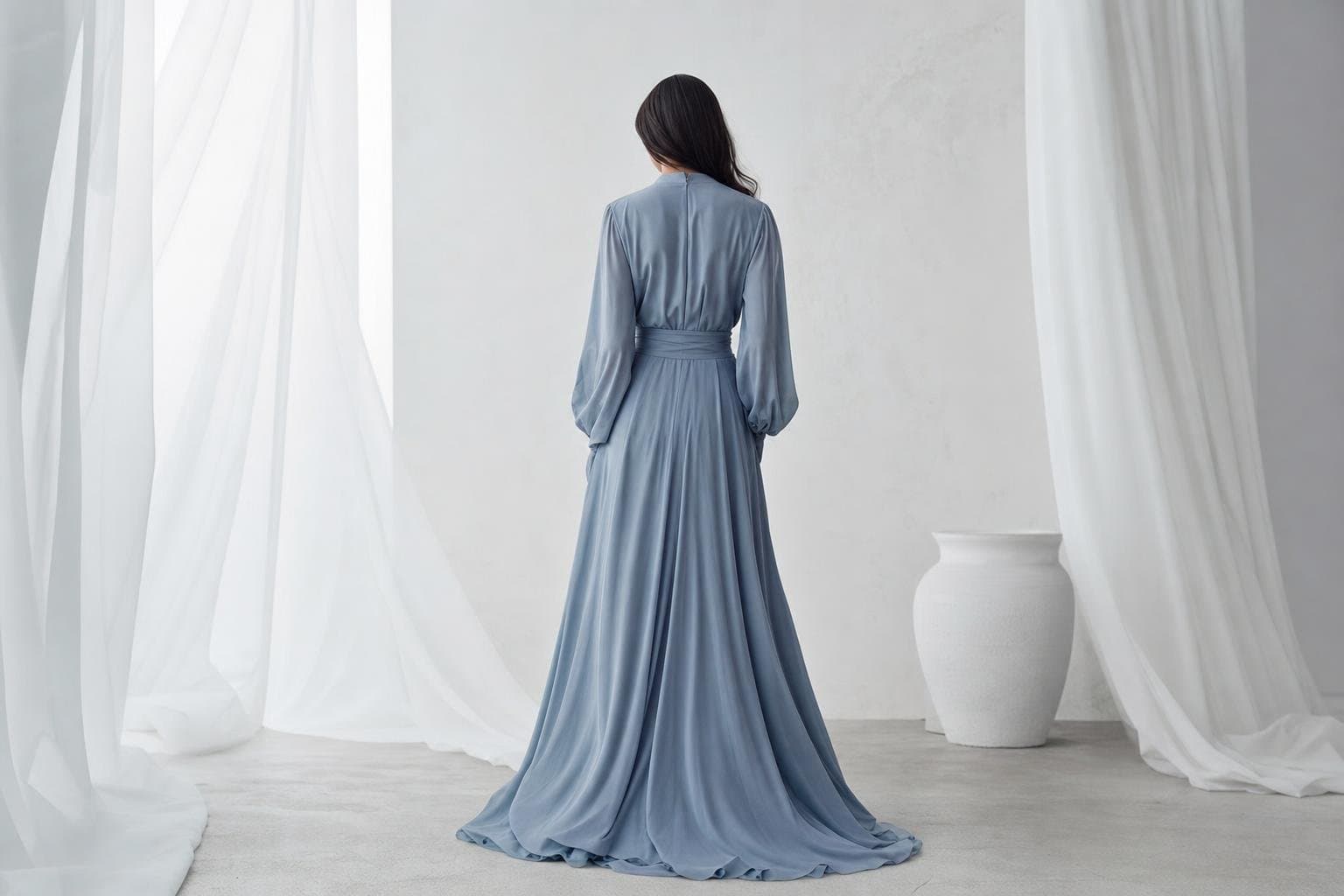
Retailers use length words loosely, which is why so many “maxi” dresses arrive mid-shin. As a rule of thumb on a UK size 12 of average height: a midi finishes anywhere between mid-calf and just above the ankle; a maxi should reach the ankle; floor length means exactly that, usually with a slight pool of fabric in flats. If you’re under 5'4", a standard maxi often wears as floor length; over 5'9", many midis become knee-grazers. Check the garment length in centimetres in the size guide — most bigger UK retailers list it — rather than trusting the product name.
Fabric decides whether it works
A long dress lives or dies by drape. Viscose and modal fall close to the body and move well, which is what you want in a column or slip shape. Cotton poplin holds structure — better for tiered or A-line summer dresses, but it creases and can balloon in wind. Satin photographs beautifully and suits evening, but cheap polyester satin clings and shows every seam; look for a heavier weight or a bias cut. Jersey is the most forgiving for everyday wear and travel. For winter, a midi in ribbed knit with boots is the workhorse of the British cold months.
Sleeves and necklines change the occasion
The same length reads completely differently depending on what happens above the waist. A sleeveless maxi in linen is a holiday dress; add long sleeves and a higher neck in crepe and it’s wedding-guest appropriate from spring to autumn. If you prefer sleeves — for sun, evening dress codes, or simply taste — long-sleeved maxis exist in far greater numbers than UK store filters suggest; the problem is that almost no retailer lets you filter by sleeve length and dress length at once. (That gap is precisely what Fairlux is built to close.)
The three classic mis-buys
- The too-sheer skirt. Unlined viscose and chiffon maxis are common at the fast-fashion end. If the product photos only show the dress against bright light, assume you’ll need a slip.
- The wrong-rise waist. Empire seams flatter some shapes and swamp others; a dropped or absent waist seam suits a straighter figure. See our body-shape guide for the fuller picture.
- The unhemmable hem. Tiered, bordered or bias-cut hems are expensive to alter. If you routinely shorten dresses, buy plain hems and budget £15–£25 for a tailor; it’s the difference between “nearly” and “mine”.
Where the good ones hide
The UK high street covers the whole spread: John Lewis, Marks & Spencer and Next are reliable for lined, true-to-length everyday maxis, including petite and tall cuts; ASOS and the Boohoo family win on choice and price for occasionwear if you read the fabric composition carefully; Whistles, Reiss and Mint Velvet occupy the investment end where lining, weight and finishing justify the price. Petite and tall ranges are chronically under-browsed — if standard lengths never sit right on you, start there instead of altering.
Shop it like a brief, not a scroll
The efficient way to buy a long dress is to write the requirement first: occasion, length, sleeve, fabric feel, colour direction, budget ceiling. Then reject anything that misses on more than one count. It sounds strict, but it’s how stylists shop — and it’s the exact logic Fairlux automates: state the brief once, see only the dresses that qualify.