Body shape
Dressing for your body shape: a calm, useful guide
Body-shape advice has a bad reputation — half of it reads like homework, the other half like rules invented to sell shapewear. Used lightly, though, shape is genuinely useful: it predicts which cuts you’ll reach for again and which will live unworn. Here’s the useful half.
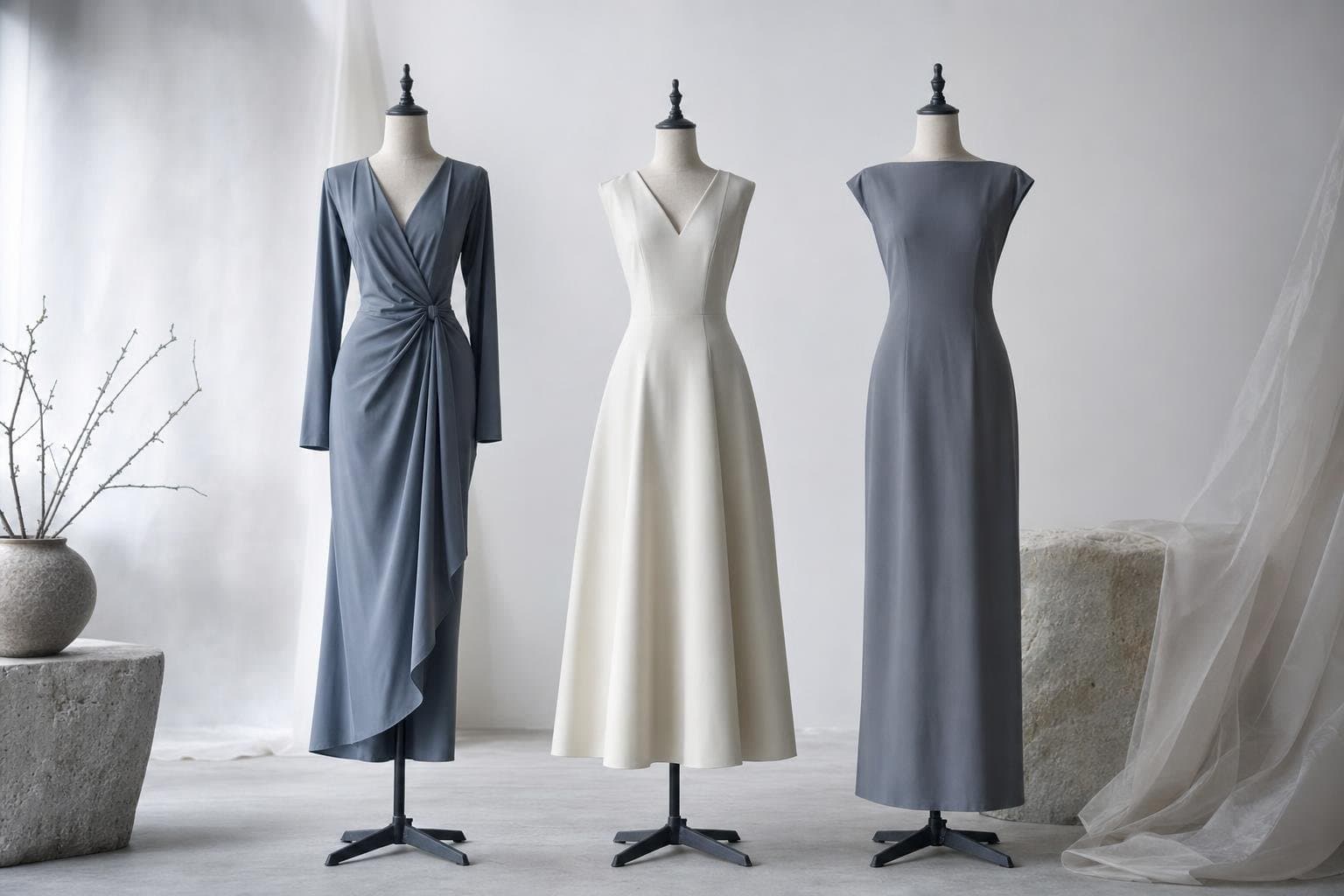
The five shapes, briefly
Most guides describe five silhouettes. Pear: hips wider than shoulders. Apple: weight carried through the middle, often with great legs. Hourglass: shoulders and hips balanced with a defined waist. Rectangle: shoulders, waist and hips in a fairly straight line. Inverted triangle: shoulders wider than hips. Almost nobody is a pure case, and your shape says nothing about your size — a rectangle exists at every size on the rail. Treat the label as a starting bias, not an identity.
What each shape tends to love
- Pear: A-line and bias-cut skirts that skim rather than cling; boat and wide necklines, structured shoulders and statement sleeves to balance proportions; wrap dresses. Trousers cut wide from the hip (not the knee) fall better than skinny cuts.
- Apple: empire lines and dresses that flow from under the bust; V-necklines that lengthen; tops that finish below the hip rather than at the waist. Structured fabric helps more than clingy jersey; a straight-leg trouser with a longer top is the reliable formula.
- Hourglass: anything that respects the waist — wrap shapes, belted coats, bodycon if you like it, high-waisted trousers. The classic mistake is boxy, waistless cuts that turn curve into bulk.
- Rectangle: you can create shape or lean into the line. Peplums, tie waists and full skirts create curve; straight slips, column dresses and tailored co-ords make the straight line the point. Layering adds the dimension the silhouette doesn’t.
- Inverted triangle: volume below — full, pleated or tiered skirts, wide-leg trousers; scoop and V necks; minimal shoulder detail. Skip shoulder pads and halter necks unless you’re dressing to emphasise the frame.
Hemlines and necklines do the heavy lifting
Two details matter more than the garment’s name. The hemline should finish at a narrow point of your leg — mid-calf flatters almost everyone, which is quietly why the midi conquered Britain (more on lengths in our long dresses guide). The neckline sets the frame for your face and shoulders: V and scoop lengthen, boat and square widen, and high necks read quietly elegant — especially with longer hemlines and occasion dressing.
The rules are defaults, not laws
If you’re a pear who loves pencil skirts, wear pencil skirts. The genuine value of shape advice is prediction: when you’re choosing between forty midi dresses online, a shape bias tells you which ten are likely to delight you when the parcel opens, and which will go straight into the returns bag. Returns are the hidden tax of online fashion — anything that improves your hit rate pays for itself.
Make it a stored requirement
Stylists don’t re-derive this every time they shop; they keep a short brief — “wrap and A-line, V-neck, midi or longer, cool tones” — and filter everything through it. That’s exactly how Fairlux works: set your shape and preferences once (always optional), and every search quietly favours the cuts that suit you, without ever hiding what you explicitly asked for.